Tonight I “understood” Beethoven’s Hammerklavier. What actually happened was that, while I was cooking, the Adagio suddenly started playing in my head on its own, which compelled me to open my music player and listen to the entire sonata. Then I realized what it was trying to express. A lot of different thoughts have been tangled together in my mind lately, and I’m a little too lazy to sort them out into something coherent here, but I see this experience as, in a Heideggerian sense, the world showing itself to Dasein. It reminded me of a similar experience I had while traveling.
I want to single out Zhangye from the Gansu portion of my trip in February 2025 and write about it on its own.
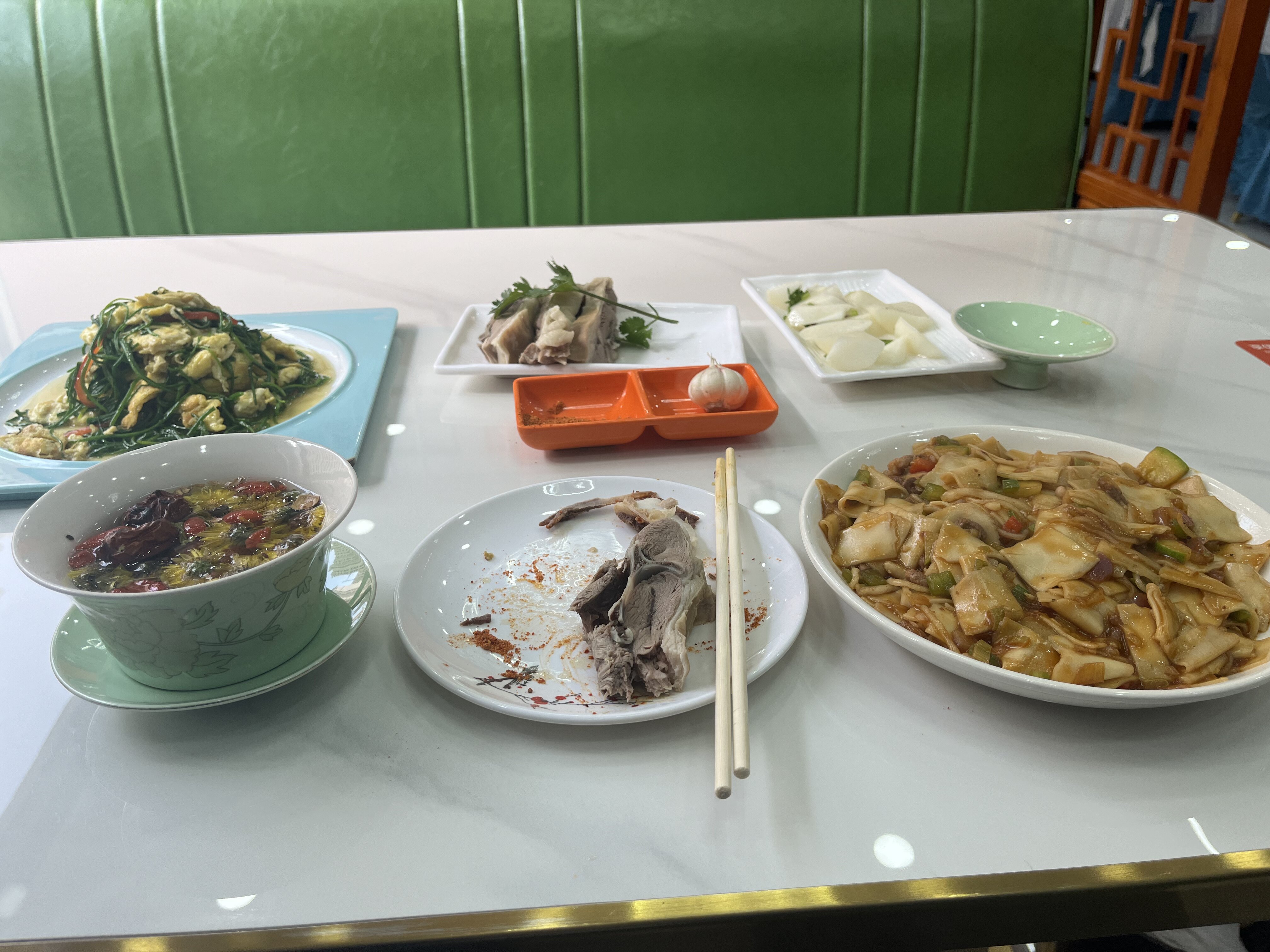
People often imagine northwestern China as barren and desolate, and west of Zhangye this is indeed the case. Dunhuang, for example—I am still struck by the desert there, by the sheer emptiness and absence of people. People also tend to think of Zhangye as a kind of frontier city of Han Chinese culture, which is also true. Zhangye was once the westernmost major city along the Hexi Corridor. You can feel this distinction very clearly. Dunhuang makes you feel that you have already entered a place belonging to an entirely different culture, a place neglected and dancing alone; Zhangye, on the other hand, feels familiar and warm. Of course it is still different from eastern China. The people are unpretentious, almost endearingly guileless, and everything feels unhurried: drinking tea filled with flowers, goji berries, red dates, and all sorts of other things, eating some hand-grabbed lamb. Zhangye is one of my favorite cities in China, but what I really want to talk about is what lies outside the city—the Qilian Mountains, which I had long yearned to see and which have now become a kind of spiritual symbol for me.
At the foot of the Qilian Mountains, I understood Hai Zi’s poetry. I knew where his imagery came from; I knew what he was trying to say. I felt it deeply myself. I’m not sure I could reproduce or describe that feeling anymore. This is a chat I had with a friend at the time:
First time seeing the Qilian Mountains
finally got one of the sources of Hai Zi’s poetry lol
made me think of my middle school Chinese teacher telling me I’d understand someday lmao
So do you understand now? 🤨
Maybe I get it a little
Had a very abstract nightmare last night
Do tell 😧
Forgot
All I remember is: abstract, nightmare
Maybe the heat was turned up too high
But one thing I’m sure of is that I saw the real-world originals of the images in Hai Zi’s poetry
Qilian, wheat, horses, villages, wind, dried-up rivers
People want to seek out grand, overwhelming sensations
And death is the most intense thing of all
So lying on the tracks becomes a natural choice
So you dreamed about death?
I forgot. It may have been in there
It was a mess
But at the time it felt very logical
Hai Zi was simply writing down the landscapes he had seen. I saw those landscapes too, and I also saw the things he was trying to say through them. What is strange is that he never told me any of this, but I was one hundred percent sure that I knew what he meant, and that excited me. This is Hai Zi’s “Gazing Toward Qilian (I)”:
Those are the horses that died in the past
the horses that will die tomorrow
because of my existence
they do not die today
today they drink water and eat salt in the lake.
The great bird in the sky
from a cherry
or from the skull of a horse shoots down snow.
And so the horses are utterly still
these are my horses
they drink water and eat salt only in today’s lake.
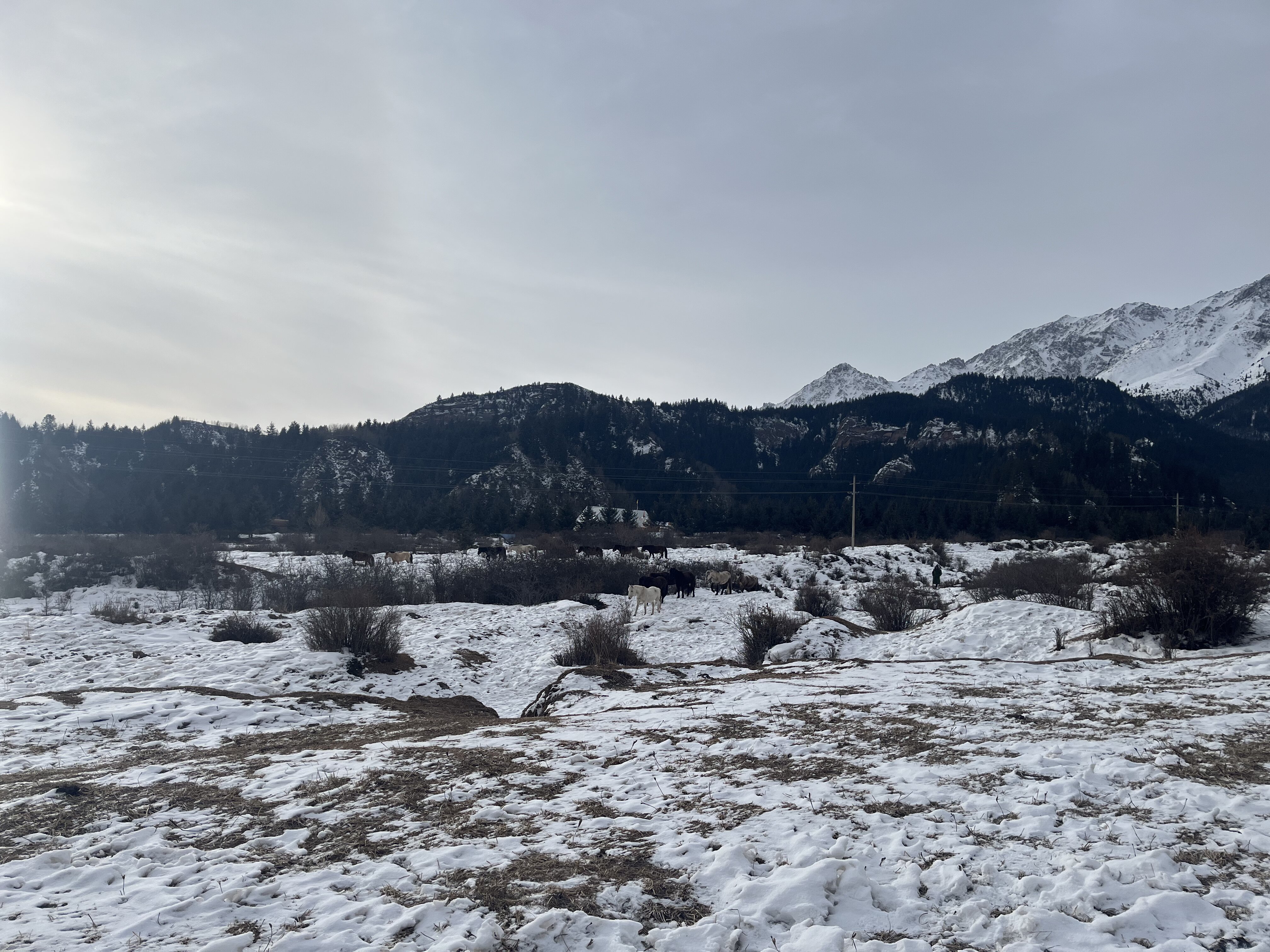
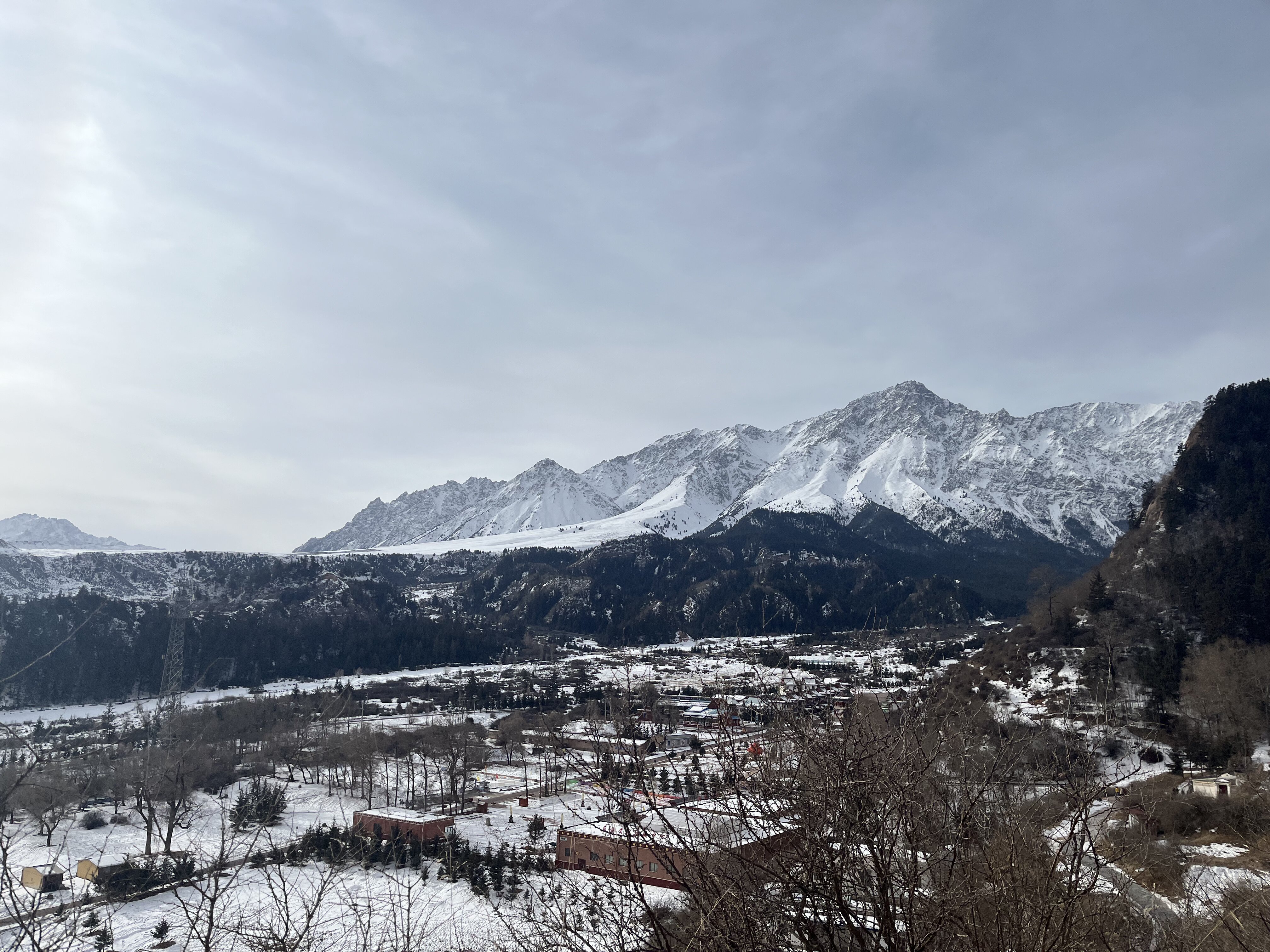
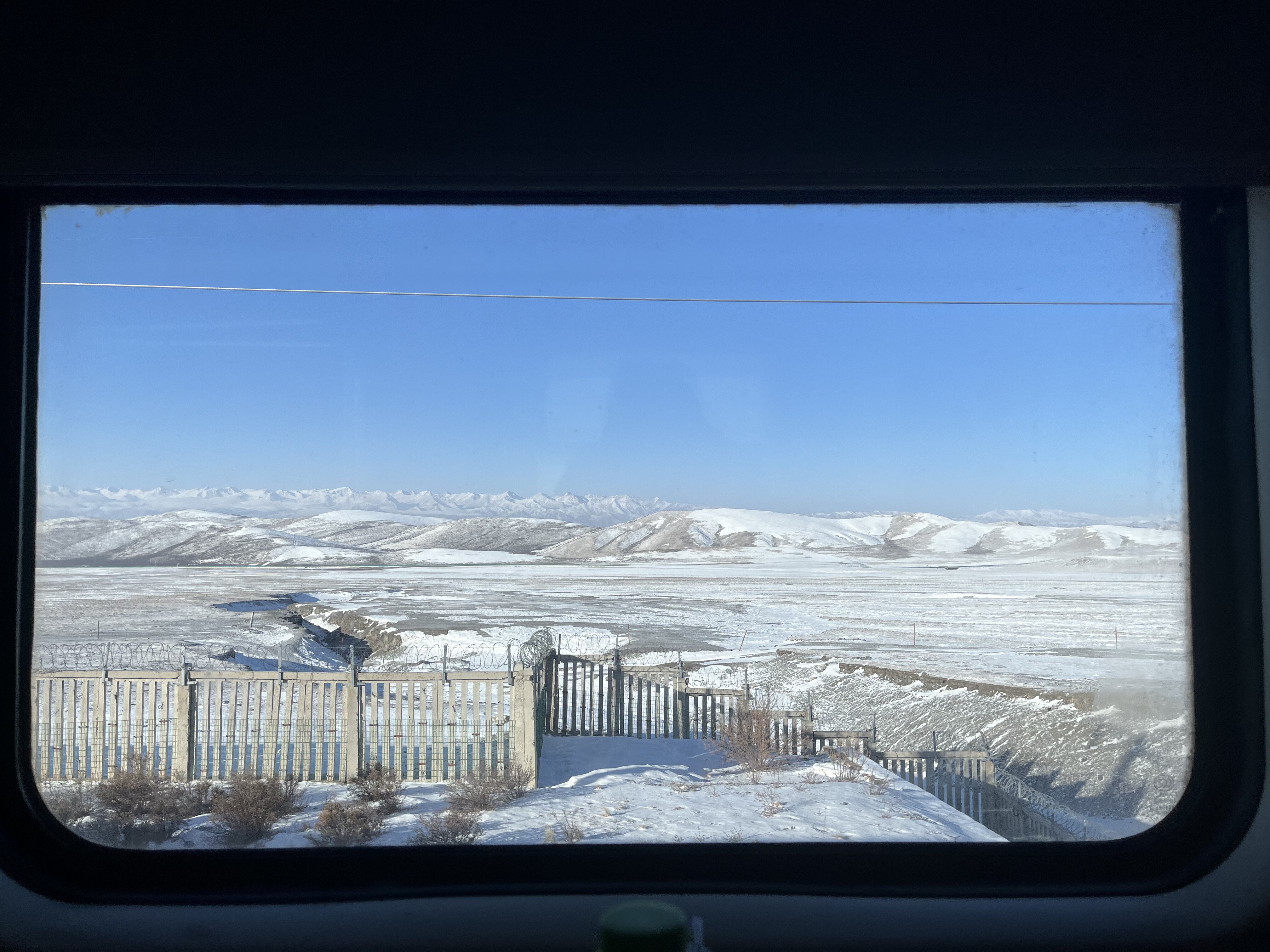
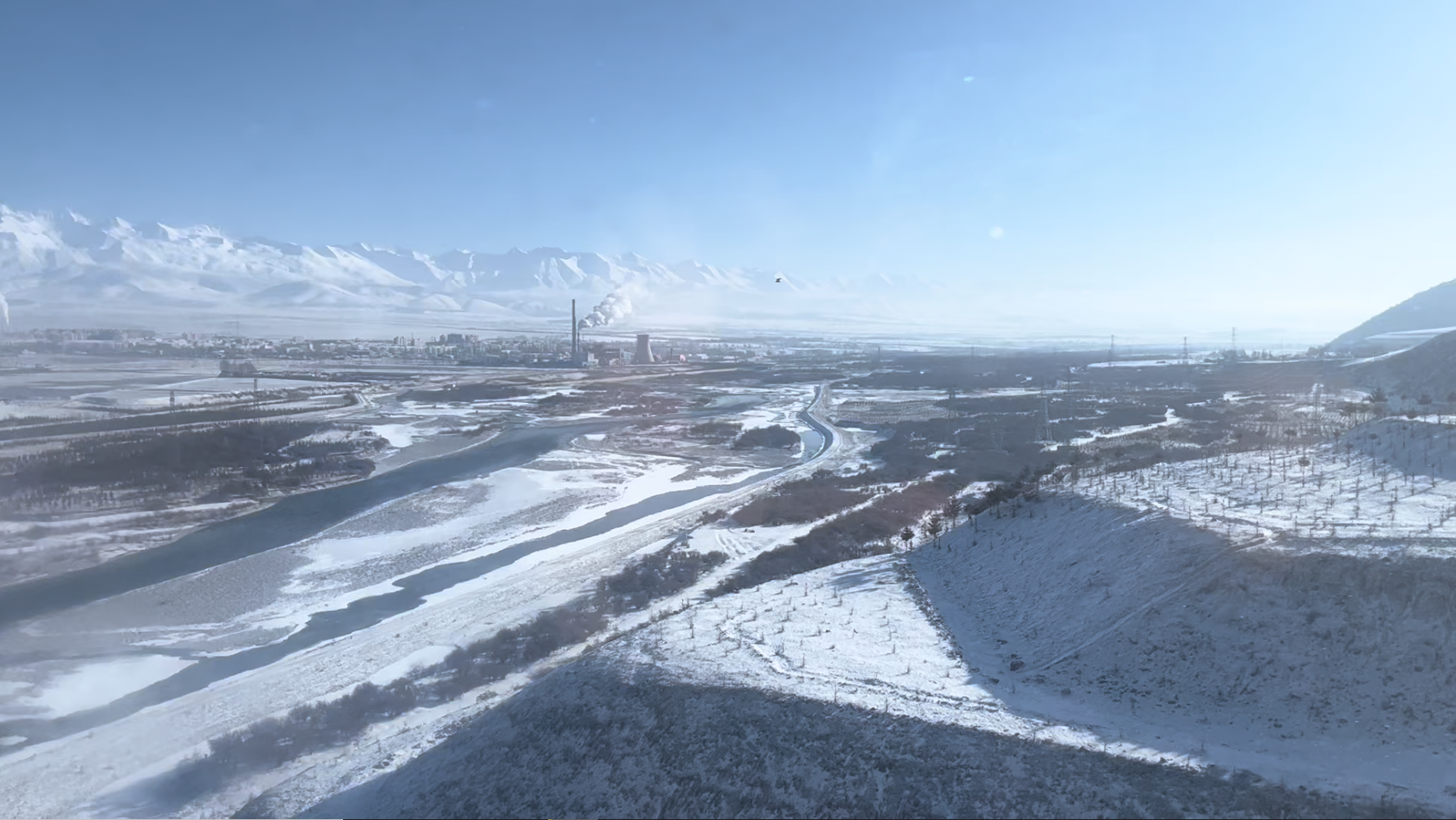
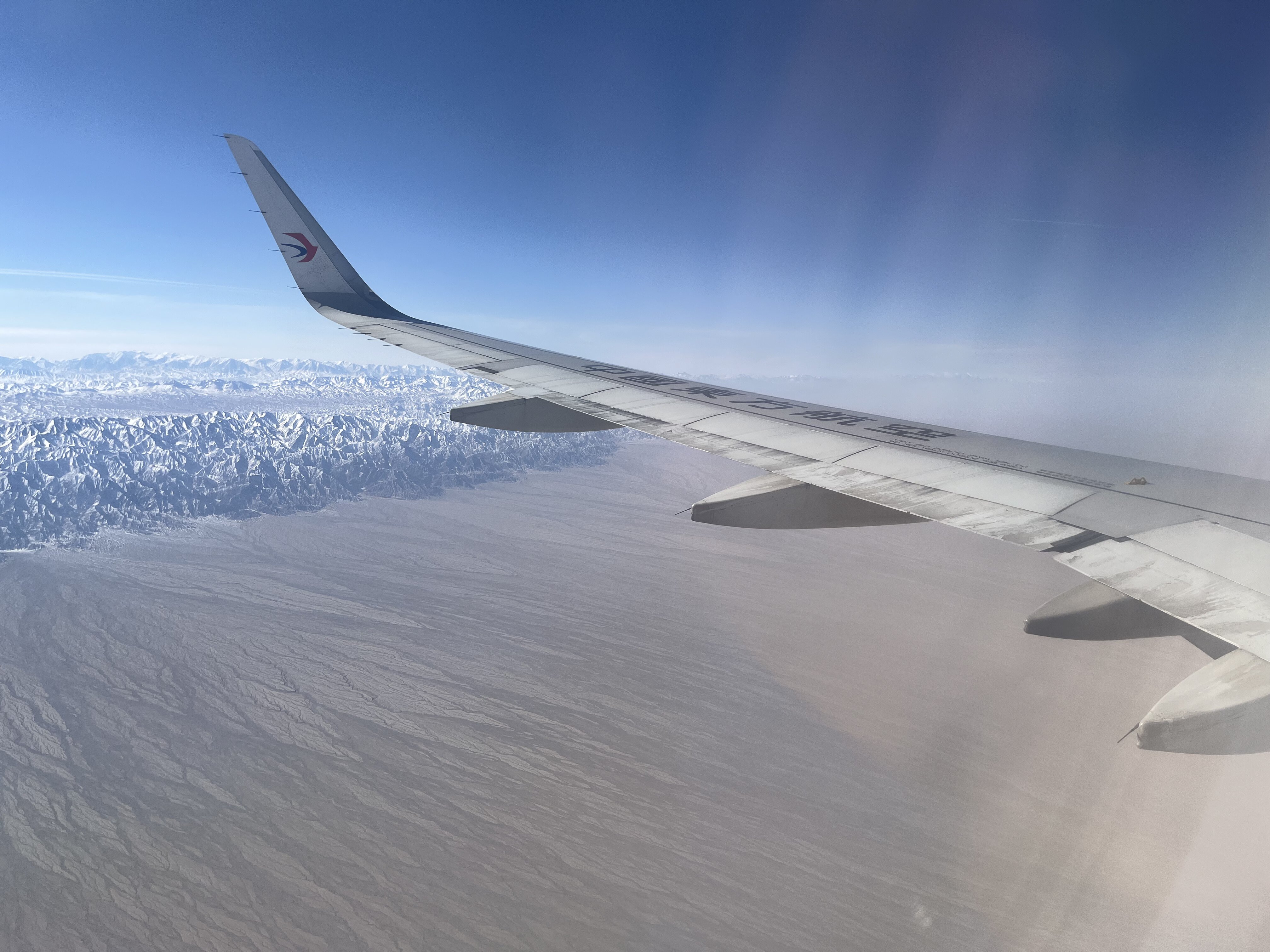
I can’t—or perhaps simply don’t want to—use natural language to lay out all the context and thoughts surrounding this, whether they were logical or illogical. I feel that describing it afterward can only be an imitation of it, perhaps even a distortion. So I’ll just leave some photographs here. Maybe someday I’ll come back and add something more complete.